After a successful time in the synagogue in Thessalonica, charges are made against Paul before the local Roman authorities (Acts 17:1-9). The charges against Paul are significant: he is accused of “defying the decrees of Caesar” and “advocating another king, Jesus.” Given the recent history of Thessalonica, these are dangerous charges indeed.
 First, Paul and his companions are troublemakers. This could be standard rhetoric, although it does seem that wherever Paul goes there is trouble. But Rome did not particular care for trouble-makers. In fact, this phrase (οἱ τὴν οἰκουμένην ἀναστατώσαντες οὗτοι) literally means the ones who are turning the world upside down.” C Kavin Rowe uses this phrase as the title for his excellent book subtitled “Reading Acts in the Graeco-Roman Age.” As he points out in his chapter on Acts 17, to “turn the world upside down” is a grave accusation in the Roman world (p. 96). Luke used the phrase later in Acts to describe the revolutionary activities of the Sicarii, actions that will result in the Roman destruction of Jerusalem (Acts 21:38). It is possible to take this phrase not as “they are troublemakers” but rather as “they are rebels against the Roman Empire.”
Second, they subvert the decrees of Caesar. In 1 Thess 1:9 Paul says that the congregation has “turned form idols.” Obviously any pagan Gentiles saved during Paul’s time in the city would have turned from whatever idols they worshiped. But this “turning from idols” must have included the Roman cult. If this is the case, then turning from the Roman cult could be understood as an act of disloyalty. It is possible then that Gentile God-fearers still participated in some form of official cult, despite worshiping in the synagogue.
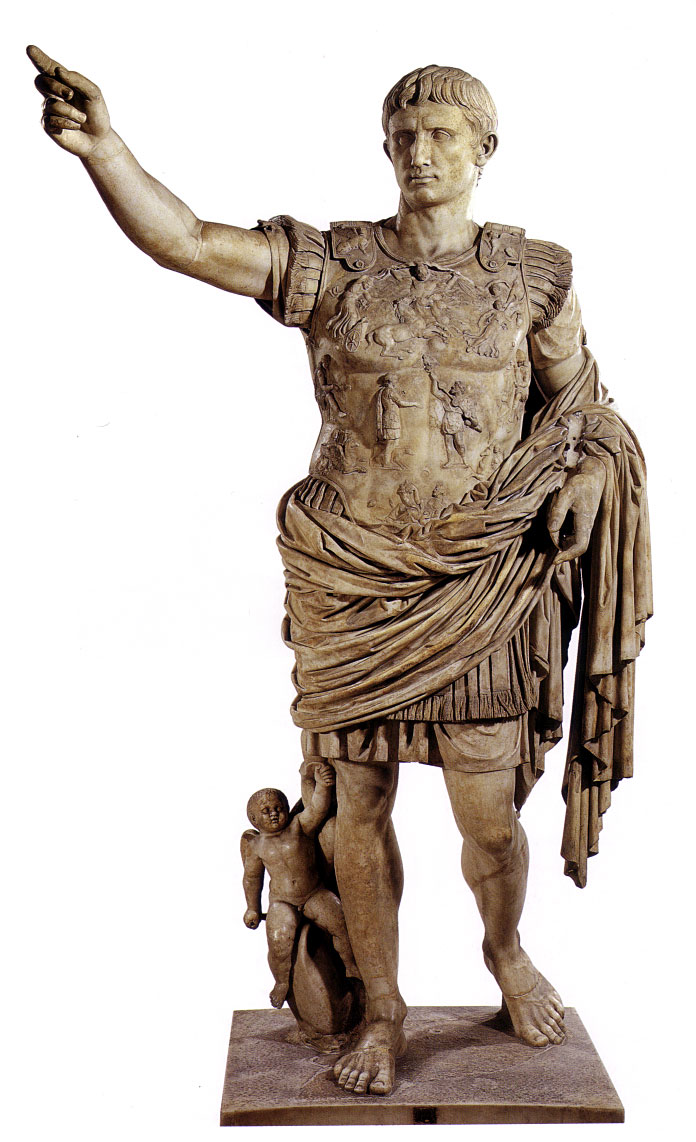
Third, they advocate another king, Jesus. In 1 Thess 4 and 5 Paul clearly teaches that Jesus is coming back in power and he will establish his own glorious kingdom (1 Thess 2:19, for example). This could easily be understood in terms of a change of emperors, that the empire of Rome was about to be supplanted with the empire of Jesus. It is clear, at least for Kavin Rowe, that “the figure to whom King Jesus is juxtaposed is beyond a doubt the Roman emperor” (p. 99).
Fourth, Paul’s preaching of the gospel challenges the truth of pax Romana. In 1 Thess 5:3, Paul says that when Jesus returns, it will be at a time when people are saying “peace and safety,” but they will in fact be destroyed. Peace and security is exactly what was promised by the Empire, pax Romana meant that the empire was a safe and peaceful place to live. Paul says there that the peace of Rome is an illusion.
All of this points to the radical nature of Paul’s gospel from a Roman perspective. After the Jerusalem Council, we are well aware of how radical the gospel is from a Jewish perspective. But now we see how dangerous the idea of Jesus can be from a Roman imperial perspective. Paul is declaring that Jesus is the Real King and that his empire of peace is going to overwhelm the so-called peace of Rome. This alternative way of viewing the world provoked violent reactions from Rome.


