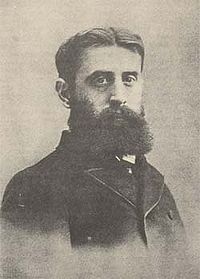
 Logos is giving away free book for each month in 2012. In February the free book is Revelation and Inspiration by B. B. Warfield. Frank Gaebelein puts Warfield and this particular book in rather elite company: “those who are committed to the doctrine of Scripture believed by Christ and the apostles, taught be the reformers and expounded in a former generation by meticulous scholars like B. B. Warfield and J. Gresham Machen…” (Revelation and the Bible, ed. Carl Henry, 395). Warfield and Machen both wrote early in the modernist / fundamentalist controversies and provided a “conservative” answer to the modernist critique of the Bible. Warfield in particular tenaciously argued for the inspiration and authority of the Bible against the increasingly popular results of the Historical Criticism of the 19th century.
Originally published in 1932, the book contains a series of articles written by Warfield and published in various sources. For example, the first chapter (“The Biblical Ideal of Revelation”) was original published as an entry in the International Standard Bible Encyclopedia (1915), the second chapter (“The Idea of Revelation and Theories of Revelation”) was published in the Universal Cyclopedia (1909). Like most seminary professors of his age, he was equally proficient in biblical and systematic theology and comments on the Hebrew and Greek Bibles as well as classical literature.
This book is a classic statement of the Reformed doctrines of revelation and inspiration. Warfield emphasizes the inspiration of scripture as “God Breathed,” a communication of God’s truth in written form. While rejects mechanical theories of inspiration, Warfield thinks that the method is “inscrutable.” Scripture is the conscious act of the Holy Spirit, yet also the product of human writers. This balance between divine and human agency allows Warfield to study the scripture in a linguistic and historical level, but also to use Scripture to construct theology and address Christian practice.
This book is also important because it sets the stage for the debates within evangelicalism in the middle of the twentieth century. It might surprise a reader of the “battle for the Bible” books of the late 1960s and 1970s to find the same arguments in Warfield. (Actually, they are often borrowed without citation because they have become so well known in the Evangelical community by then!) In chapter 10 (“Inspiration and Criticism,” his inaugural address when inducted as the chair of New Testament Literature at Western Theological Seminary in 1893) Warfield deals with the“assured results of modern biblical criticism” in the light of his doctrine of verbal, plenary inspiration. Carl Henry certainly stood on the shoulders of Warfield in his classic
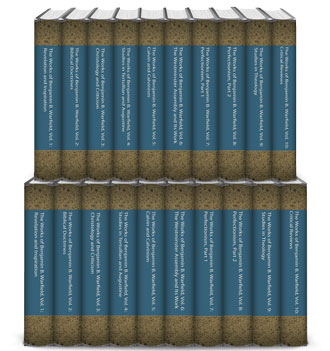 This is a volume from the Complete Warfield, published by Baker Books, although the book has been republished many times. My printed copy of this book was published by the Presbyterian and Reformed Press in 1942, and the page numbers in Logos (the Baker edition) do not line up with my printed version.
Be sure to register to win the complete set from Logos when you download this free volume.