[The audio for the January 19, 2014 evening service is available at Sermon.net, as is a PDF file of the notes for the service. This is part of a series of sermons on 1 Peter, beginning here.]
In his opening prayer for his readers, Peter described our salvation as “unable to be lost.” By its very nature, our great salvation cannot fade or be destroyed and God himself keeps it safe in heaven. If this is true, then there are some ethical implications – why should the believer live out a live that is moral and ethical, if salvation is no longer dependent on good behavior or adherence to ritual? The reason, Peter says, is that our great salvation was bought with the ultimate price, the blood of Jesus. We ought to therefore be holy, because the one who has called us to this great salvation is holy.
Since we have such a great salvation, Peter concludes that our response ought to be holiness. The section begins with “therefore.” The Greek conjunction διό draws a strong inference that is usually self-evident. This is not “if everything in verses 3-12 is true…” it is more like “Since all this is true….”
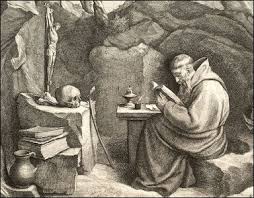 Peter state that since the Lord has called us to such a great salvation, we ought to “be like” him, citing the book of Leviticus. Typically modern readers think of holiness as some sort of moral quality, avoiding certain vices and practicing certain religious virtues. A “holy man” is a monk who lives in a cave and does nothing but pray and meditate all day long. They are separate from the world quite literally.
But holiness in Leviticus is always associated with something that separates Israel from the world. One example might be the food laws. We read Lev 17 and wonder how God could forbid his people from eating pig (usually we try to find some reason for God’s commands, maybe there was a health reason for avoiding pork, etc.). But the food laws function as a boundary marker, defining how the covenant people are to live differently than the nations.
At the very foundation of all of the commands of Leviticus is the idea that God himself is holy, completely separate from sin. He expects his people to be separate from the world as well and he gives a series of principles in Leviticus that will ensure that God’s people think and act differently than the world.
What is holiness in this context? To be holy is to be set apart from the world in some very real way. In the present age, this is certainly not following the Law from the Old Testament (if you wonder about this, re-read Galatians!). But it means being separate from the way the world thinks and behaves.
If we are “changing the way we think” in order to be more holy, then there are many ways in which we will start to think differently and talk differently than the world. In the case of the first century, the Christians began to think differently about the Roman Empire. The Emperor did not bring peace to the world, and salvation is not to be found in loyalty to the Roman empire. The gods honored by the Roman world are not true gods at all. All this lead naturally to withdrawal from civic events that honored Rome and the Emperors as divine; they did not participate in festivals that were dedicated to the worship of the gods.
This is easily illustrated in the way the secular world describes an unborn baby (fetus or baby?), or perhaps in the way the secular world defines tolerance (toleration of any views except conservative Christian), or variations in sexual practice (preference as opposed to deviation?).
The bottom line is that if you are preparing your mind and thinking clearly, then you will think different than the world in many ways. And some of those thoughts will be dangerous!