A third factor in the “background” of the Gospels is Judaism, but specifically the form (s) of Judaism representing in the so-called Second Temple Period. This period technically runs from 538 BC through AD 70, but the focus of attention is usually on the later part of that period because of the documentary evidence. We simply have a wealth of writings from the Maccabean period (after 165 BC) through the end of the first century, including the New Testament, the Dead Sea Scrolls, Josephus and Philo. There are many more documents which date to this period as well. In addition to the texts, the archaeology of the later part of the Second Temple period is far more detailed than the pre-Maccabean period. Over the next couple of posts I want to unpack a few important elements of Second Temple Judaism as background for reading Jesus. This is not a complete treatment of the topic – there is far more to be said (books to be written lectures to be given, etc).
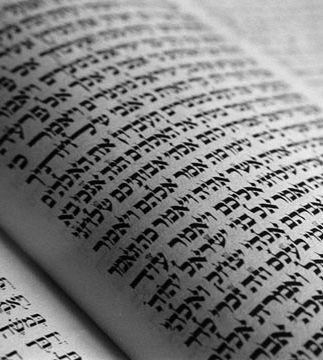
One feature of Jesus’ ministry which in the Gospels is his teaching in the Synagogue. Since many Jews could not regularly travel to the Temple to worship, the synagogue was the center of spiritual life. Prayers and the study of Scripture was of importance to the spiritual life of the Jews. In fact, Philo indicates the primary purpose for going to the synagogue was to study scripture (On the Creation of the World, 128).
How often the average Jew studied the scripture is unclear. This may refer to simply going to the synagogue and heard the scripture read (especially for the non-educated who would not be able to read.) Scrolls were expensive, only the wealthy would be able to own a scroll to study. Communities bought scrolls for use in the synagogue.
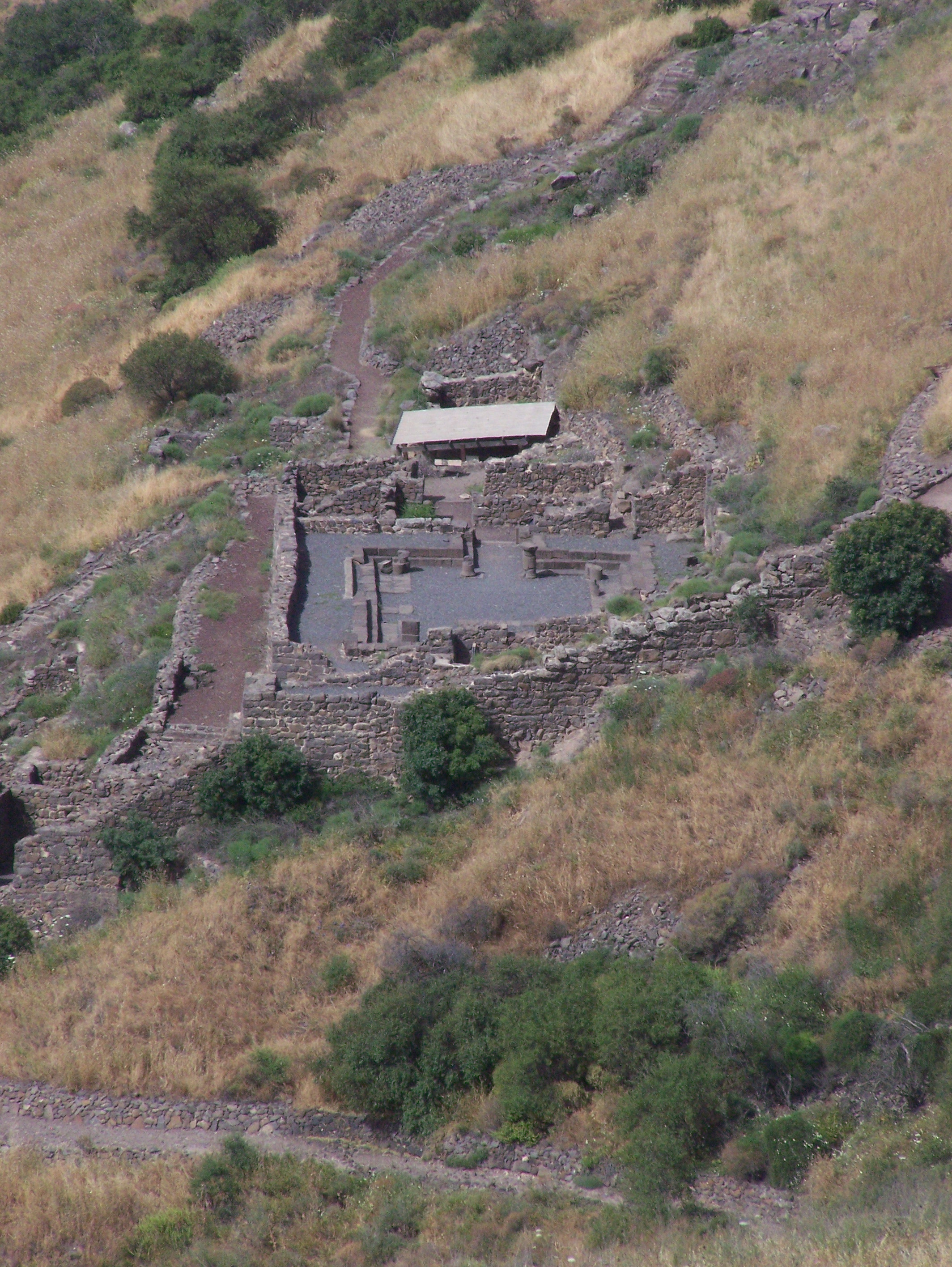
Synagogue at Gamla
While we do not know when the synagogue was first used, we do know of synagogues dating to the first century (in the town of Gamla and one in Masada and the Herodian, likely built by Zealots long after Herod’s time). Often synagogues were built over the site of an older building, accounting for the lack of first century archaeological remains. The synagogue at Tiberias was large enough to hold a crowd gathered to discuss the impending war (Life, 277, 280, 290-303). We know from the Bible that both Jesus and Paul taught in synagogues regularly.
Philo describes the synagogue meeting which took place on Sabbath: a priest or elder would read from the scripture and comment on the text while people listened, then anyone who was moved to comment would do so. Usually they simply sat in silence and listened. Essenes were taught in the law everyday, but more so on the Sabbath.
The synagogue as designed with benches around the perimeter to encourage participation by all in attendance (Mark 1:14-15, 6:1-5). This facilitated discussion of scripture after it was read. While there may be an attendant, it is wrong to think of him as a “pastor” since his role has making the building ready for those who came to study.
It is not surprising to read in the Gospels that Jesus frequently visits synagogues to teach. A traveling rabbi might be asked to read scripture and perhaps give a brief comment or homily on a text. This might be a small group of men gathered to study or a larger Sabbath service. Synagogues were small in the first century, so Jesus’ teaching there would have been intimate and likely with a great deal of discussion and questions. These opportunities gave Jesus a chance to interact with Jews who were interested in studying scripture, giving him the opportunity to present the coming “Kingdom of God” to people who were likely looking forward to it the most. Often Jesus encounters resistence in the synagogue from other teachers (scribes or Pharisees), but this is nothing unusual since the method of teaching frequently used at the time was “scribal debate.”
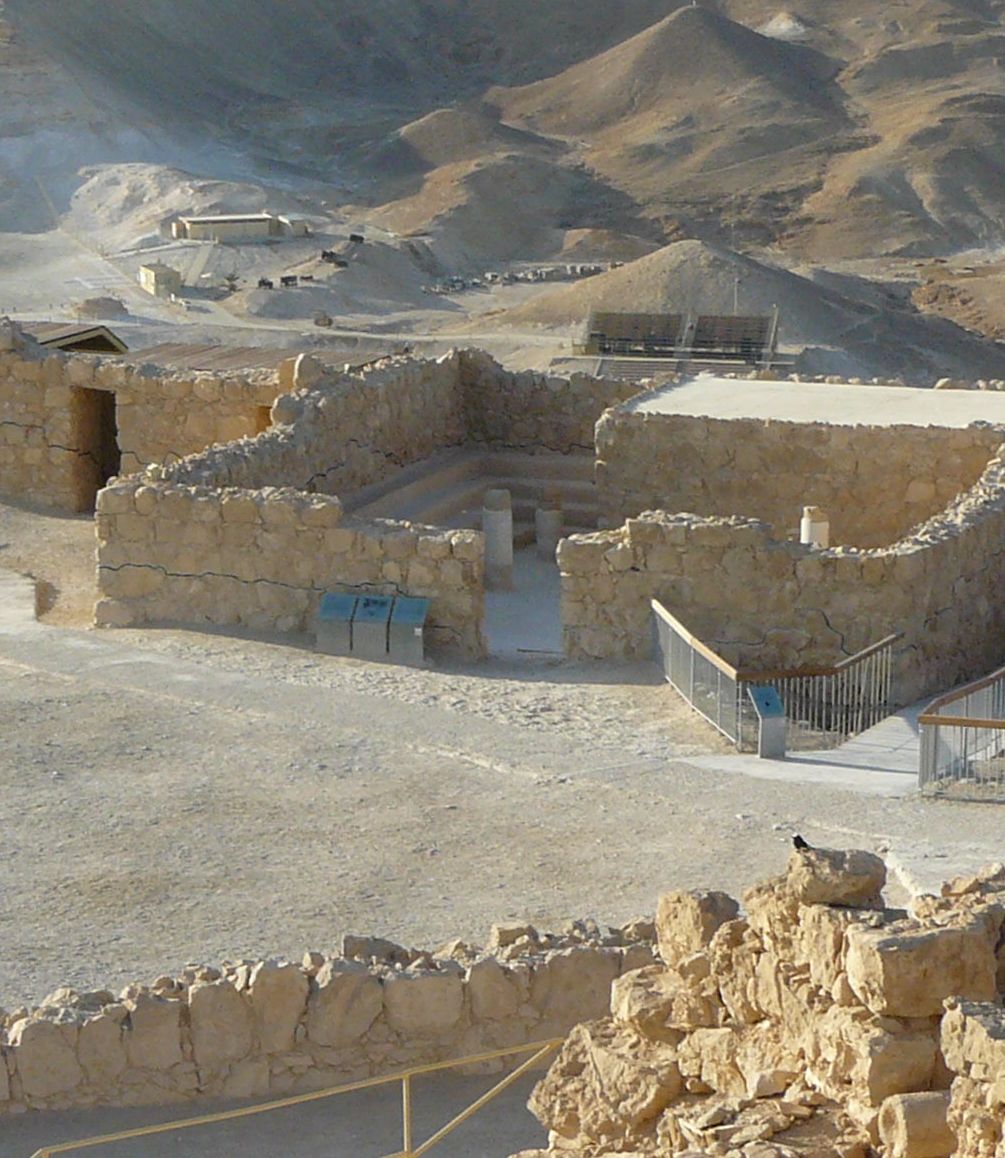
Masada Synagogue
It is important to understand Jesus in the context of first century Galilee, and this includes his visits to small synagogues to talk about the Scripture with a few people at a time. It is not helpful to think that these synagogues were large forums where Jesus was able to speak to hundreds at a time in a Christian-style pulpit. These were small gatherings where Jesus could expect to find people who were interested in what the Hebrew Bible said and how in applied to their lives at that particular time in history.
Jesus went to where people were and engaged in the type of discussion they might have expected in that place. Some people think Jesus established a church (rented a local gym, started Saturday night services, worked up a rocking praise band, etc.) He was not creating “church” but working within Judaism to understand the Scripture. Perhaps there is something of a model for ministry here!