 1 Peter begins his description of salvation by explaining his methodology. He states that the salvation he described in 1:3-9 is the subject of prophecy (1:10). This is an interesting window into the preaching of the Apostles, since the Scripture to which Peter alludes here is found consistently in the the sermons in Acts as well as the letters of Paul. It appears that the Apostolic preaching of the Gospel began with the idea that the Messiah should have to suffer and die, based on Isaiah 53.
Peter says that the prophets “searched and inquired carefully” into this matter. The verb ἐκζητέω has the connotation of exertion, to work hard to find something. The compound ἐξεραυνάω also has the sense of diligently searching (John 5:39 uses a related word for “diligently searching the Scriptures.” Both words mean virtually the same thing and both emphasize the effort these prophets made in understanding the coming Messiah.
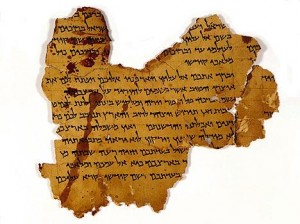
How did the prophets “diligently search” prophecies about the Messiah? It is possible that the prophets which are described here are not the Prophets of the Hebrew Bible, but rather teachers who read the scriptures and looked forward to the coming of the messiah. If this is the case, then Peter is saying that all of the sages and scholars of post-Exlic Judaism were searching Scripture like Isaiah 53 in order to figure out when and how the Messiah should come. What is remarkable is that Christianity is the only for of Judaism to understand the suffering servant of Isaiah 53 as the Messiah.
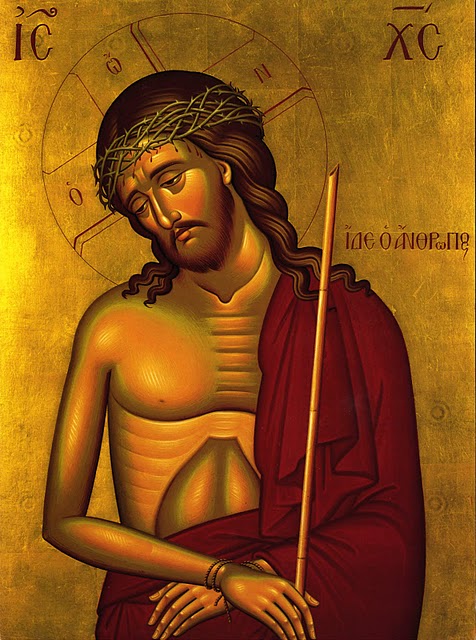
Perhaps Acts 8 can be used as an analogy here. Philip the Evangelist encounters the Ethiopian Eunuch reading Isaiah 53. The question the man concerns the subject of Isaiah 53. Jews in the Second Temple period would have that the passage described either Isaiah or some other person (like a new Elijah); if the messiah was in view, it was not a suffering messiah at all. Philip “begins with that very passage” to explain the gospel with the Ethiopian. Philip identifies Jesus as the innocent sufferer of Isaiah 53, making it clear that the new age described in Isaiah 56 has begun.
Their search was for the “person or time” the Spirit of Christ was predicting. The prophets predicted the “sufferings of the Messiah” and his “subsequent glory.” This implies a two stage-mission of the messiah, first as a suffering servant, the at a later time in glory.
It is possible to take the “sufferings of the messiah” as the trials of the Jewish people as the await the Messiah. The noun Christ is not genitive, so the common translation “of Christ” is not necessarily accurate. This phrase could be translated “suffering with respect to the Messiah” (for example, Selwyn, 134). But this translation does not take into account the context of Peter’s letter, since by chapter 2 it is quite clear that he means the suffering of Jesus in the cross (Jobes, 1 Peter, 99).
Peter therefore says that the prophets saw two events: the suffering and the glory of the Messiah. While Peter is clearly standing on the shoulders of the Hebrew Prophets, this two-stage coming of the Messiah was unique in the Second Temple Period.